
News & Events
The fascinating journey of casinos through history
The fascinating journey of casinos through history
The Origins of Gambling
The history of casinos can be traced back to ancient civilizations where gambling was an integral part of social life. From the Chinese Han Dynasty, where games of chance were enjoyed, to the Roman Empire, where dice games were popular among the elite, gambling found its place in various cultures. The first official gambling houses appeared in Italy during the Renaissance period, marking the beginning of organized gaming establishments. These early casinos not only served as places for entertainment but also provided an avenue for exploring online betting offers Pin-Up in the context of modern gaming.

As these early casinos emerged, they served not only as places for entertainment but also as social hubs where people gathered to interact and engage in various games. The allure of winning money through games of chance drew in patrons, paving the way for the evolution of gambling into a commercial enterprise.
The Rise of Modern Casinos
The 17th and 18th centuries saw the establishment of the first modern casinos, notably in Venice, where the Casino di Venezia opened in 1638. This marked a significant shift, as these establishments became formalized venues dedicated solely to gambling. The concept spread across Europe, with casinos becoming prominent in cities like Monaco and Baden-Baden, attracting wealthy clientele seeking luxury and excitement. In Kenya, the interest in this sector has led to the introduction of Pin-Up special offers and promotions for betting on sport in Kenya.
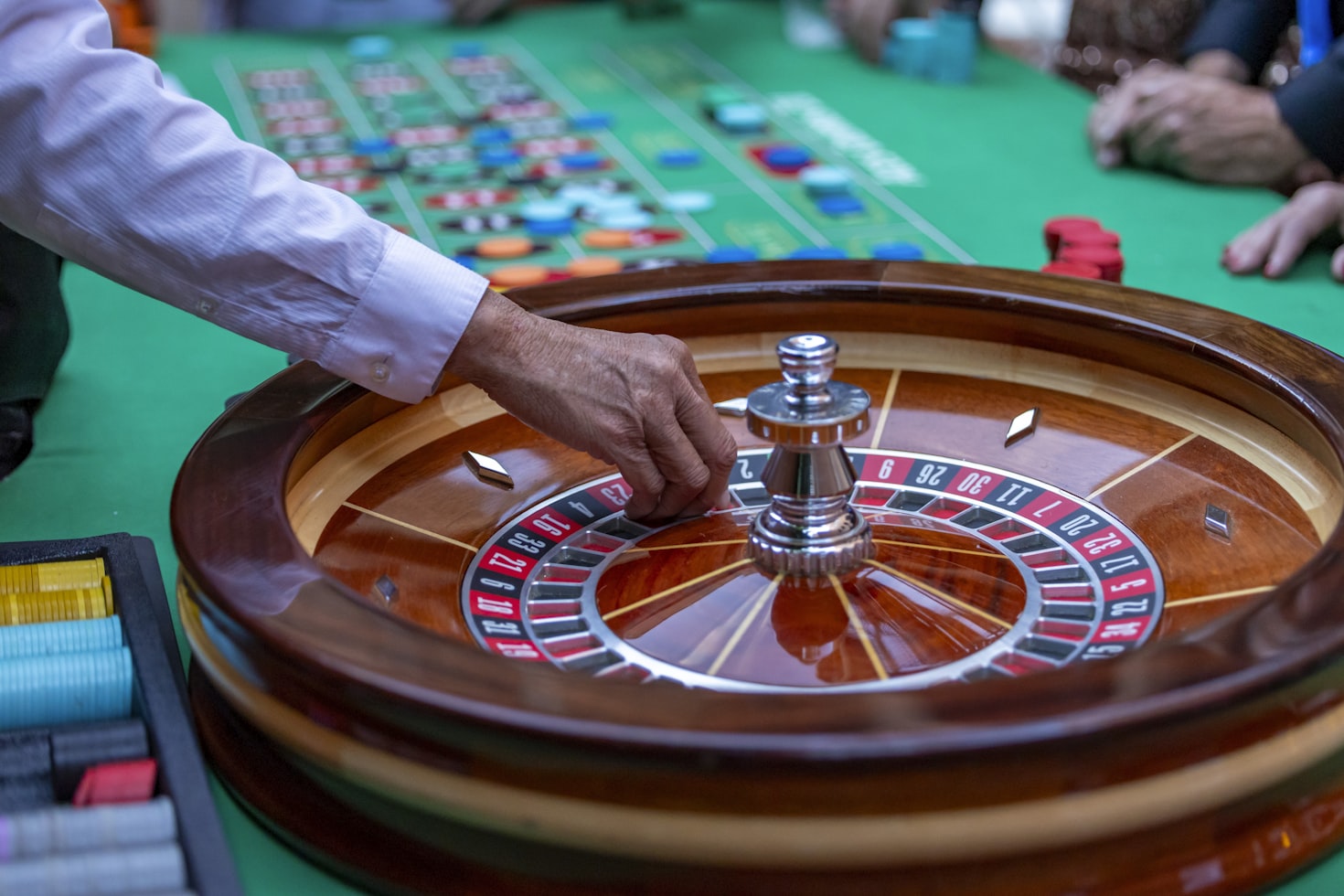
The introduction of card games, roulette, and slot machines transformed the casino experience. With innovations in gaming, casinos began offering a variety of entertainment options, appealing to a broader audience. This period laid the groundwork for the glamorous casino culture that would flourish in the 20th century.
The Las Vegas Phenomenon
The mid-20th century heralded a new era for casinos with the rise of Las Vegas as the epicenter of gambling. The legalization of gambling in Nevada in 1931 allowed for the creation of extravagant resorts and casinos, which soon became synonymous with the American entertainment landscape. Iconic establishments like the Flamingo and Caesars Palace emerged, offering not just gaming but also luxury accommodations, fine dining, and shows.
Las Vegas epitomized the notion of the modern casino as a comprehensive entertainment destination. The lavish themes and neon lights attracted millions of visitors annually, and the city became a symbol of freedom and indulgence. This transformation reshaped the gambling industry, prompting other regions to adopt similar approaches to attract tourists.
The Digital Revolution in Gambling
The late 20th and early 21st centuries ushered in a technological revolution that would drastically change the casino landscape. The rise of the internet led to the emergence of online casinos, allowing players to enjoy their favorite games from the comfort of their homes. This transition marked a significant shift in how gambling was perceived, making it more accessible to a global audience.
Online gaming platforms introduced innovations such as live dealer games and mobile gaming apps, enhancing the user experience. As regulations evolved, many jurisdictions embraced online gambling, leading to a booming industry that continues to grow. This digital expansion has democratized access to casinos and introduced new trends in gaming, catering to diverse preferences and demographics.
Future Trends in Gaming
As the casino industry continues to evolve, several trends are shaping its future. Advances in technology, such as virtual reality and artificial intelligence, are poised to create immersive gaming experiences that blur the lines between the physical and digital worlds. Furthermore, the integration of cryptocurrencies and blockchain technology promises to enhance security and transparency in transactions.
These innovations, combined with a focus on responsible gaming and personalized experiences, will likely define the next chapter in the history of casinos. As players seek more engaging and tailored interactions, the industry must adapt and innovate to meet changing demands while maintaining the allure that has captivated audiences for centuries.